
2026-10-08 · Marco Ramirez
Termite Season in South Florida: What Miami Homeowners Need to Know
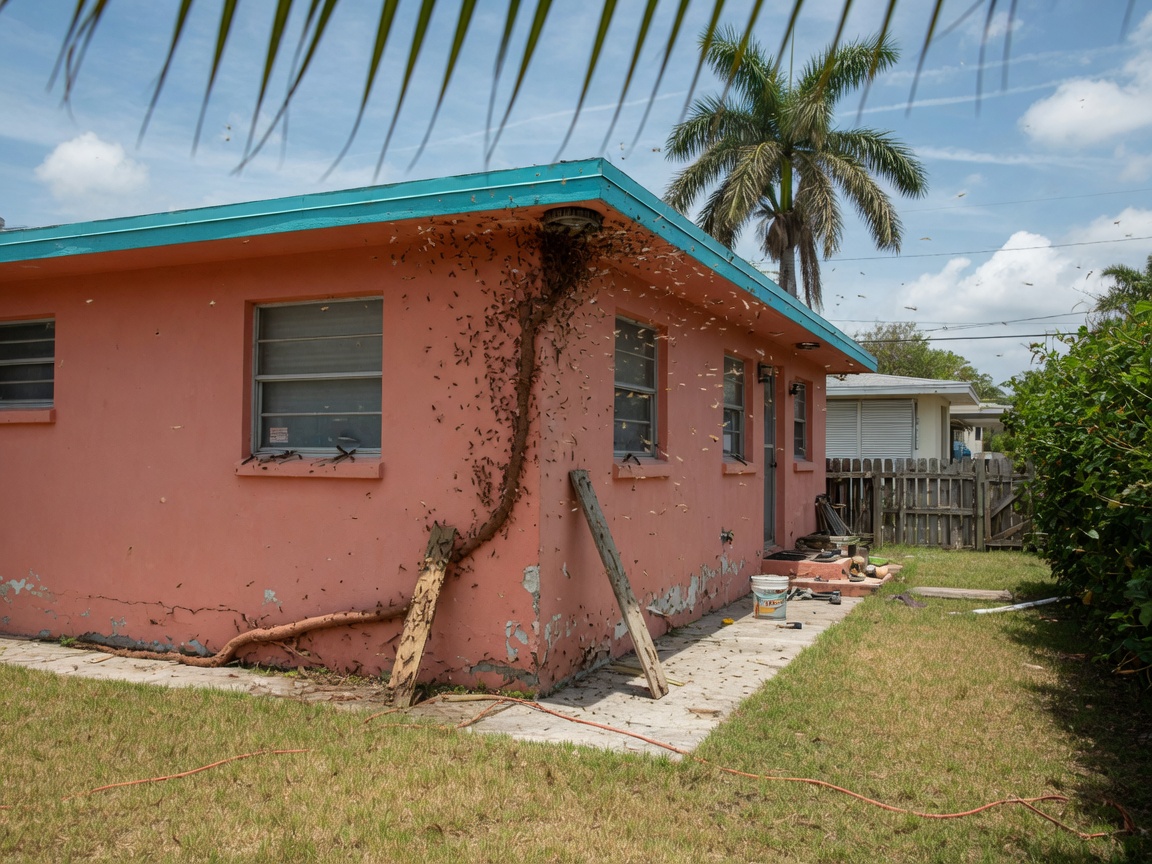
Termite season in South Florida is less about a single defined period and more about understanding the peak activity cycles of the two main types we deal with in Miami-Dade County: subterranean termites and drywood termites. While subterranean termites are active year-round, their swarming season typically kicks into high gear with the onset of our hot, wet summers, usually from May through October, driven by heavy rains and humidity. Drywood termites also maintain year-round activity, but their swarming often peaks in late spring and again in the fall, particularly from April to June and then from September to November, when conditions are ideal for their dispersal flights. For homeowners in areas like Coconut Grove or Coral Gables, knowing these timelines is key to proactive protection, as visible swarmers are often the first sign of a hidden infestation that can cause significant structural damage if left unaddressed. Early detection and intervention are paramount to mitigating potential harm to your property.
Understanding Miami's Termite Threats
Miami's tropical monsoon climate, characterized by hot, wet summers and mild, dry winters, creates an ideal environment for termites to thrive throughout the year. The humidity levels, especially during the rainy season, are particularly conducive to subterranean termite activity. These termites, common in neighborhoods like Little Havana and Overtown, live in underground colonies and build distinctive mud tubes to travel between their nests and food sources – the wooden structures of your home. They require constant moisture, which our climate readily provides, allowing them to continuously forage for cellulose. Drywood termites, on the other hand, don't need soil contact and can infest any dry wood, from the historic homes in the Design District to newer constructions in Brickell. Their ability to survive without soil moisture makes them a persistent threat to attics, wooden beams, and furniture, often going unnoticed until significant damage has occurred or their tell-tale fecal pellets, known as frass, become visible.
Signs of Termite Activity in Your Miami Home
Identifying termite activity early can save you thousands in repairs. For subterranean termites, look for pencil-sized mud tubes on your foundation walls, crawl spaces, or even inside your home, particularly in damp areas like bathrooms or utility rooms. These tubes are their protected highways. You might also notice damaged wood that sounds hollow when tapped, or paint that appears blistered or peeling, which can be a sign of termites tunneling just beneath the surface. For drywood termites, the most common indicator is the presence of tiny, pellet-like droppings, or frass, often found in small piles near infested wood. These pellets vary in color depending on the wood they've consumed and are a clear sign of their presence. Another sign for both types is the presence of discarded wings, especially near windowsills or light fixtures, which indicates a recent termite swarm. If you spot any of these signs in your Downtown Miami or Wynwood property, it's crucial to seek professional help promptly.
Preventing Termite Infestations in South Florida
Effective termite prevention in Miami involves a multi-faceted approach tailored to our unique climate and housing styles. Start by addressing moisture issues around your home; repair leaky pipes, ensure proper drainage away from your foundation, and keep gutters clean. Trim back vegetation so it doesn't touch your house, as this can provide hidden entry points and retain moisture. For homes in areas like Coral Gables with lush landscaping, this is especially important. Store firewood away from your home and keep it elevated off the ground. Consider regular termite inspections, particularly before the peak swarming seasons, to catch any nascent issues. Sealing cracks in your foundation and around utility entry points can also deter subterranean termites from entering. For comprehensive protection, a professional termite prevention plan is often the most reliable defense against these destructive pests.
What to Do if You Suspect Termites
If you suspect your Miami home has termites, the first step is to avoid disturbing them. Poking at mud tubes or infested wood can cause termites to abandon that specific area and move to another, making them harder to locate and treat effectively. Instead, contact a local pest control expert who specializes in termite control in Miami-Dade County. A professional will conduct a thorough inspection to identify the type of termite, the extent of the infestation, and the best course of action. For subterranean termites, treatments often involve creating a protective barrier around your home's foundation, while drywood termites might require localized treatments or even fumigation for severe infestations. Early intervention is key to minimizing damage and costly repairs, preserving the integrity of your property whether it's near Bayside Marketplace or the Vizcaya Museum.
Professional Termite Treatment Options
When it comes to treating termites in Miami, the approach depends heavily on the species and severity of the infestation. For subterranean termites, common treatments include liquid termiticides applied to the soil around the foundation, creating a barrier that termites cannot cross or carry back to their colony. Bait systems are another effective option, where termites feed on bait stations and carry the slow-acting poison back to the colony, eventually eliminating it. For drywood termites, localized treatments such as spot treatments with termiticides injected directly into infested wood are often used for smaller, contained infestations. In cases of widespread drywood termite activity, especially in older homes in neighborhoods like Coconut Grove or near the Freedom Tower, fumigation may be necessary to eradicate the entire colony. Our team offers specialized services like subterranean termite treatment and drywood termite treatment to address these specific threats effectively, ensuring your home is protected.