
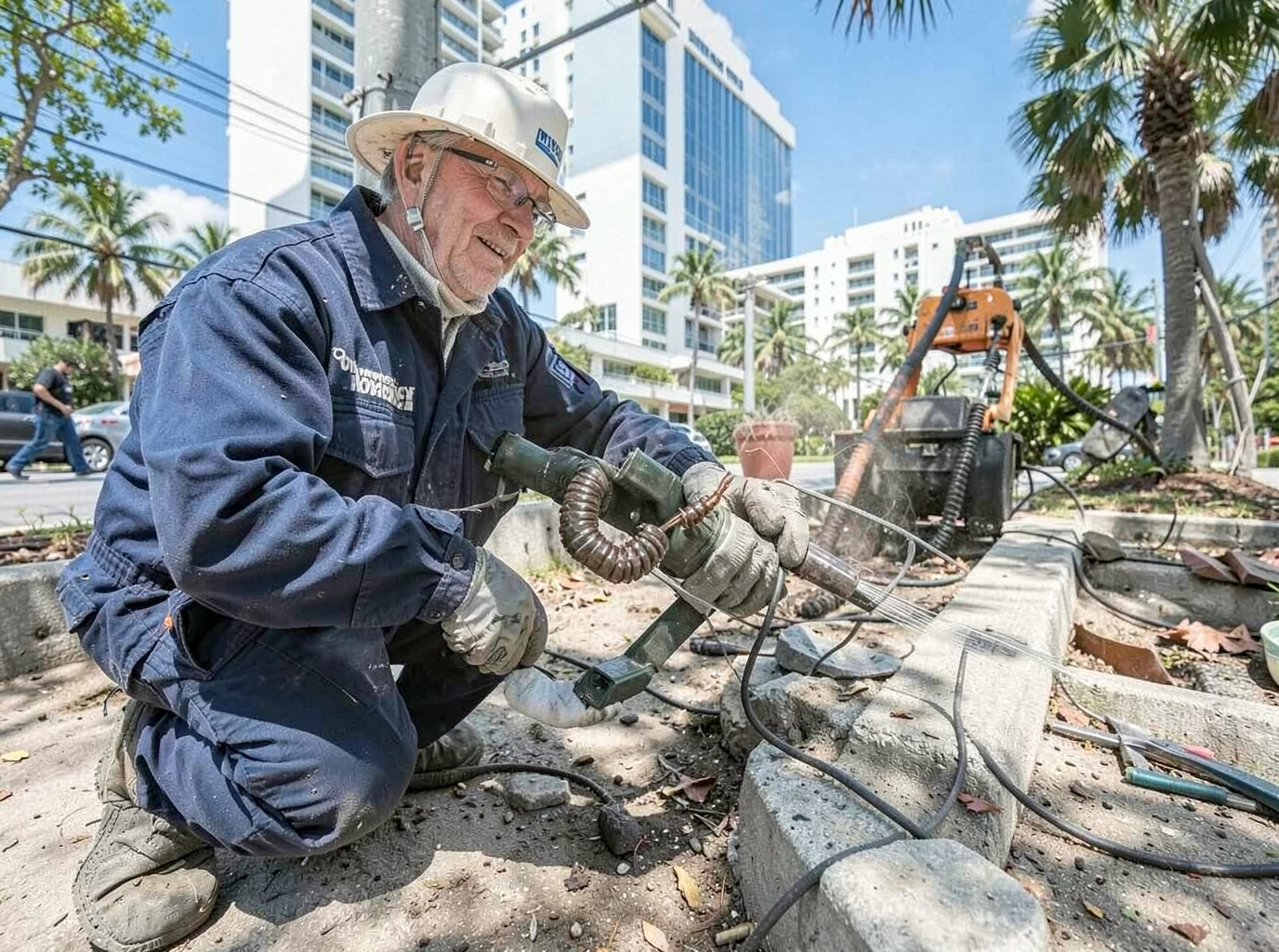
Drywood termites pose a significant threat to properties across Miami-Dade County, from the historic homes in Coconut Grove to the modern structures in Brickell. Unlike subterranean termites, drywood termites do not require soil contact, making them particularly adept at infesting structures directly. Our tropical monsoon climate, characterized by hot, wet summers, creates ideal conditions for these pests to thrive, often leading to hidden infestations that can go unnoticed for extended periods. We understand the unique challenges Miami properties face, whether it's an older building in Overtown or a newer development in the Design District, and tailor our treatments to effectively eliminate these wood-destroying insects.
Effective drywood termite treatment in Miami requires a thorough understanding of their behavior and the types of structures prevalent in the area. Many homes, especially those built before the 1980s in areas like Little Havana or Coral Gables, feature wood-frame construction and exposed wooden elements that are highly susceptible. Our approach often involves localized treatments for smaller infestations, utilizing methods like direct wood injection or targeted dust applications to reach termite galleries. For more widespread issues, especially in larger properties or commercial buildings near Bayside Marketplace, fumigation might be the most comprehensive solution, ensuring eradication throughout the entire structure. We always conduct a detailed inspection to determine the most effective and least invasive treatment plan.
When addressing drywood termites, it's crucial to consider the architectural nuances and materials common in Miami. For instance, properties with expansive attics or difficult-to-access crawl spaces, which are common in some parts of Hialeah and Miami Beach, require specialized equipment and techniques to ensure complete coverage. We also take into account the proximity to sensitive areas, such as the Vizcaya Museum or Pérez Art Museum, ensuring our methods are environmentally responsible and comply with all local regulations. Our goal is not just to eliminate current infestations but also to advise on preventative measures to safeguard your property against future drywood termite activity, considering the year-round warmth that supports their presence.
Understanding the signs of drywood termites is key for Miami homeowners. Unlike subterranean termites, which leave mud tubes, drywood termites produce distinctive fecal pellets, often called 'frass,' which resemble tiny grains of sand or sawdust and can be found near infested wood. You might also notice discarded wings after a swarming event, particularly during warmer, humid periods. If you suspect an infestation in your Downtown Miami office, a residence in Wynwood, or any property across Miami-Dade, early detection and professional intervention are critical to prevent extensive and costly structural damage. Our team is equipped to identify these subtle signs and provide prompt, effective treatment.
Technician insight
In Miami, the thing that catches most people out with drywood termite treatment is underestimating how quickly they can spread, especially in the older, wood-heavy homes in places like Little Havana or Coconut Grove. Because they don't need ground contact, they can pop up anywhere, and the hot, humid weather here means they're active year-round. Homeowners often only notice the frass after significant damage has already occurred, making a full fumigation the only truly effective solution for widespread issues.
Drywood Termites in a Historic Coral Gables Home
A homeowner in Coral Gables noticed small piles of what looked like sawdust near a window sill in their historic 1920s home. Upon inspection, we found active drywood termite colonies within the window frame and extending into a nearby wall stud. We performed a localized treatment using direct wood injection, followed by a thorough inspection of other vulnerable areas to ensure no further activity, saving the homeowner from more extensive damage.
Drywood Termite Treatment Services We Offer
✓Localized Drywood Termite Treatments
Targeted applications for smaller, contained drywood termite infestations, often involving direct wood injection or dust treatments to specific areas of activity.
✓Full Structure Drywood Termite Fumigation
Comprehensive tent fumigation for widespread drywood termite infestations, ensuring eradication throughout the entire property, ideal for severe cases.
✓Drywood Termite Inspection & Identification
Thorough inspection of properties to accurately identify drywood termite species, locate active infestations, and assess the extent of damage.
✓Preventative Drywood Termite Solutions
Application of protective barriers and treatments to vulnerable wooden structures, helping to deter future drywood termite infestations in Miami's climate.
✓Post-Treatment Damage Assessment
Evaluation of structural damage caused by drywood termites after treatment, providing recommendations for repairs or remediation services.
✓Drywood Termite Monitoring Programs
Ongoing monitoring services to detect early signs of drywood termite activity, providing peace of mind for properties in high-risk areas like Coral Gables.
Drywood Termite Treatment Cost in Florida
| Service | Typical Range | What Affects It |
|---|---|---|
| Localized Drywood Termite Treatment (Small Area) | $300–$800 | For minor, contained infestations in accessible areas. Price depends on accessibility and extent of wood treated. |
| Drywood Termite Inspection (Stand-alone) | $100–$250 | Fee often waived if treatment services are contracted. Price varies by property size. |
| Full Structure Drywood Termite Fumigation | $2,500–$10,000+ | Significantly higher cost due to materials, labor, and property size. Requires temporary evacuation of property. Price depends on cubic footage. |
| Drywood Termite Preventative Treatment | $400–$1,500 | For pre-treatment of vulnerable areas during construction or as a standalone service. Price depends on scope and materials. |
Ranges are typical for Florida and confirmed with an exact written quote before any work starts.
How it works
- 1
Thorough Inspection & Assessment
Our expert technicians conduct a detailed inspection of your Miami property, from attics to crawl spaces, identifying signs of drywood termites like frass, kick-out holes, and damaged wood. We pinpoint the species and extent of the infestation, considering the unique construction of homes in areas like Coconut Grove or Brickell.
- 2
Customized Treatment Plan Development
Based on our findings, we develop a tailored drywood termite treatment plan. This could range from localized spot treatments for minor infestations to full-structure fumigation for widespread problems, always explaining the best approach for your specific situation and property type in Miami-Dade County.
- 3
Precision Application of Treatment
We meticulously apply the chosen treatment, whether it's injecting termiticides directly into infested wood, applying dusts to galleries, or orchestrating a full fumigation. Our methods prioritize effectiveness while minimizing disruption to your home or business, adhering to safety protocols.
- 4
Post-Treatment Follow-Up & Prevention
After treatment, we provide recommendations for preventing future drywood termite issues, such as moisture control and sealing entry points. We also offer follow-up inspections to ensure complete eradication and long-term protection against these persistent Miami pests.
Pricing
Drywood termite treatment costs in Miami vary significantly based on the severity of the infestation, the size of the area requiring treatment, and the chosen method (localized vs. fumigation).