
2026-10-08 · Marco Ramirez
Mosquito Control in Miami: Protecting Your Family from West Nile and Zika
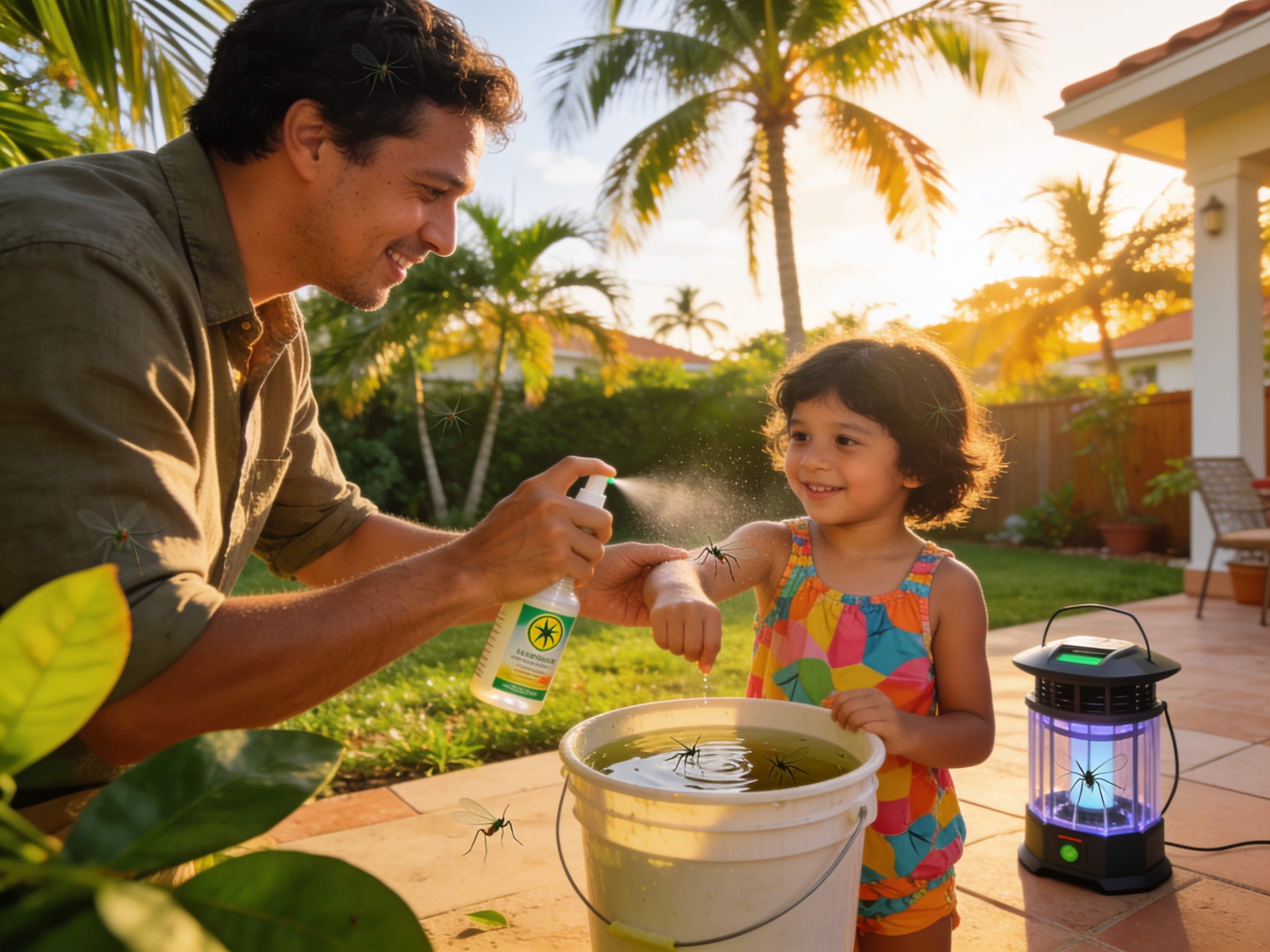
Mosquito control in Miami is absolutely essential for protecting your family from serious diseases like West Nile virus and Zika. Given our unique tropical monsoon climate with its hot, wet summers, mosquitoes thrive year-round, making proactive prevention and professional intervention non-negotiable. While eliminating all mosquitoes is virtually impossible in Miami-Dade County, effective strategies can drastically reduce their populations around your home, minimizing bite risks and the potential for disease transmission. This means a combination of diligent homeowner efforts and consistent professional pest control, especially during the peak breeding seasons from May through October.
Understanding Miami's Mosquito Challenge
Miami's environment, from Downtown Miami to the lush areas of Coconut Grove and Coral Gables, provides ideal conditions for mosquito proliferation. The constant humidity and frequent rainfall create countless opportunities for standing water, which is all a mosquito needs to lay its eggs. We're not talking about just a few puddles; even a bottle cap full of water can host hundreds of mosquito larvae. This is particularly true in older neighborhoods with established drainage systems, or in areas prone to localized flooding after our typical afternoon downpours. The same warm temperatures that draw people to Bayside Marketplace and Vizcaya Museum also accelerate the mosquito life cycle, leading to rapid population growth.
The primary culprits for disease transmission in our area are the Aedes aegypti and Culex mosquito species. Aedes aegypti, often called the 'yellow fever mosquito,' is a daytime biter and a primary vector for Zika, dengue, and chikungunya. These mosquitoes are particularly adept at breeding in small containers around homes, making them a significant concern in residential areas like Brickell and Little Havana. Culex mosquitoes, on the other hand, are more active at dusk and dawn and are the main carriers of West Nile virus. They prefer to breed in larger, often stagnant water sources, which can be found even in urban settings like Wynwood or near the Miami River.
Identifying and Eliminating Breeding Sites
The most critical step in mosquito control is identifying and eliminating their breeding grounds. Mosquitoes require standing water to complete their life cycle, from egg to adult. In Miami, this can be almost anywhere. Walk around your property in areas like the Design District or near Marlins Park with a critical eye, looking for any place water might collect. Think beyond obvious puddles; even decorative plant saucers, clogged gutters, or tarps covering boats can become nurseries for thousands of mosquitoes. This is especially important after a heavy rain, as even temporary water sources can become breeding grounds.
Here are common breeding sites to check and eliminate:
- Bird baths and pet water bowls: Change water frequently, at least every 2–3 days.
- Clogged gutters: Ensure gutters are clear and drain properly, preventing water from pooling.
- Old tires, buckets, and containers: Dispose of or store these items upside down to prevent water collection.
- Plant saucers and bromeliads: Empty saucers regularly and flush bromeliads with water to dislodge larvae.
- Tarps and covers: Ensure tarps are taut so water doesn't collect in folds.