
2026-10-08 · Marco Ramirez
Protecting Your Miami Garden from Common Pests
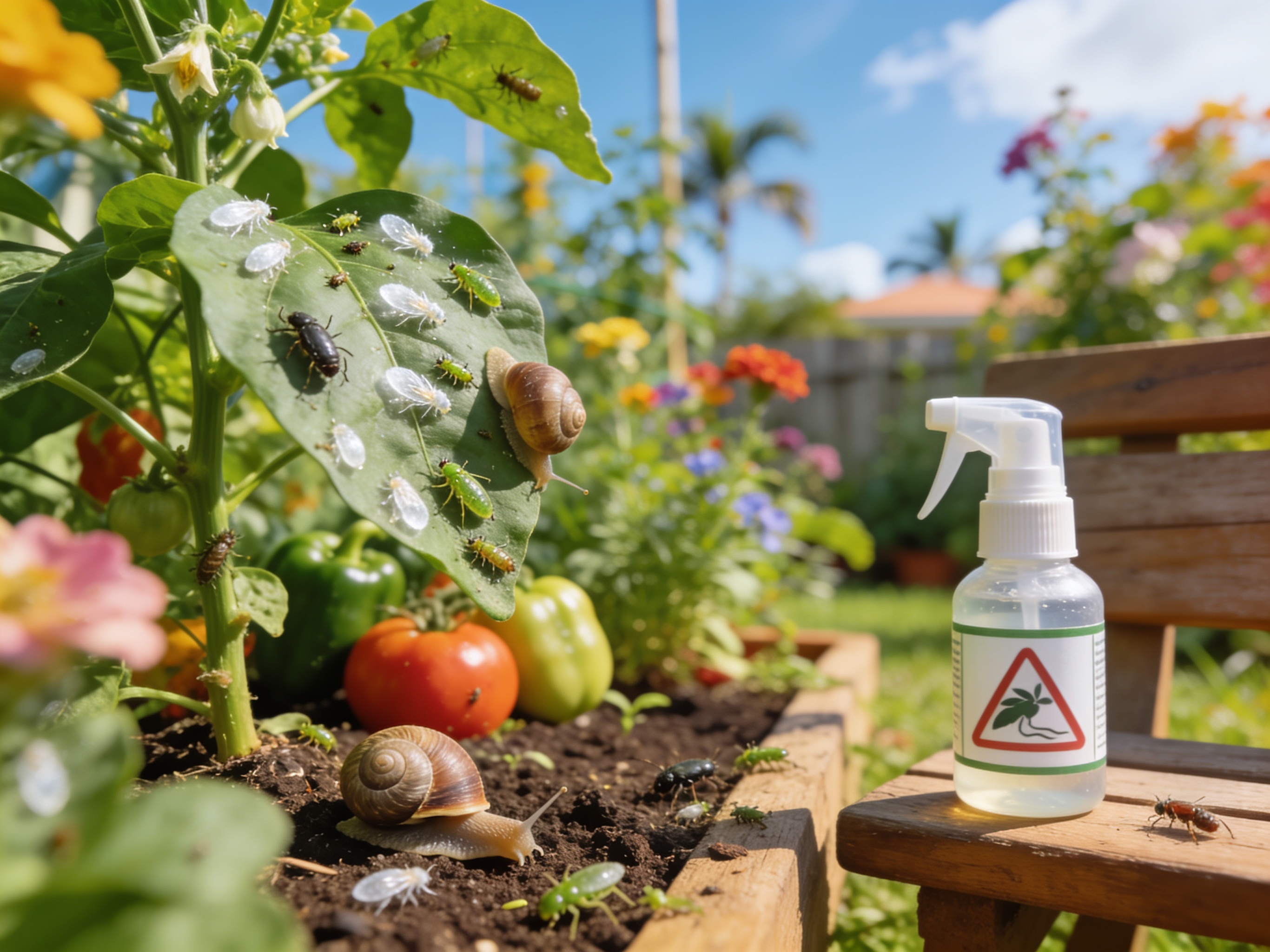
Protecting your Miami garden from common pests involves a multi-faceted approach, focusing on early detection, proper plant care, and targeted interventions against specific threats like aphids, whiteflies, scale insects, and spider mites. The tropical monsoon climate with its hot, wet summers in Miami-Dade County creates an ideal breeding ground for many garden pests year-round, making consistent vigilance crucial. Unlike cooler climates where pests might have a distinct season, here in areas like Coconut Grove or Coral Gables, pest pressure can be continuous. Homeowners with everything from small patio container gardens in Brickell to sprawling backyards in the Design District need to be proactive to safeguard their plants, as these pests can quickly decimate prized hibiscus, orchids, or vegetable patches if left unchecked.
Understanding Miami's Garden Pest Landscape
Miami's unique ecosystem, from Downtown Miami to Little Havana, supports a diverse array of plant life, but also an equally diverse population of pests. The year-round warmth and humidity mean that many pests don't experience a dormant period, leading to multiple generations within a single year. This constant pressure requires a different pest management strategy compared to other regions. For instance, aphids can be found on new growth almost any time, while whiteflies and scale insects thrive in the warm, moist conditions that are typical throughout much of the year. Even in older neighborhoods like Overtown, where mature trees and established gardens are common, pests can quickly migrate from one plant to another, making neighborhood-wide vigilance beneficial.
The proximity to natural areas and the constant flow of people and goods through a major port city also contribute to the introduction and spread of new or exotic pests. For example, the Ficus whitefly, an invasive species, has caused significant damage to ficus hedges, a common landscaping plant throughout Miami, including around landmarks like the Vizcaya Museum. Recognizing the signs of these invaders early is paramount. Regular inspection of your plants, especially the undersides of leaves and new shoots, is your first line of defense. Look for sticky residues, distorted growth, or visible insects, which can range from tiny, almost microscopic mites to more easily spotted caterpillars.
Common Garden Pests and Their Control
Several pests are particularly prevalent in Miami gardens. Aphids are small, soft-bodied insects that cluster on new growth, sucking sap and causing leaves to curl and distort. They excrete a sticky substance called honeydew, which can lead to sooty mold. For light infestations, a strong spray of water can dislodge them. For heavier issues, insecticidal soaps or neem oil, applied thoroughly to all plant surfaces, are effective. Whiteflies are tiny, white, moth-like insects that fly up in a cloud when disturbed from the undersides of leaves. Like aphids, they feed on sap and produce honeydew. Yellow sticky traps can help monitor and reduce populations, while insecticidal soaps are also useful. Ensuring good air circulation around plants can also deter them.
Scale insects appear as small, immobile bumps on stems and leaves. They are protected by a waxy coating, making them harder to treat. Dormant oil sprays or horticultural oils can smother them. For a few scales, you can gently scrape them off. Spider mites, though not insects, are tiny arachnids that cause stippling on leaves and fine webbing, especially in dry, dusty conditions. While Miami is humid, plants under eaves or in sheltered spots can still suffer. A strong spray of water can knock them off, and miticides or neem oil can be used for persistent problems. Always follow product instructions carefully to avoid harming beneficial insects or your plants. For more general pest issues around your home, our Residential Pest Control services can provide comprehensive solutions.
Cultural Practices for Pest Prevention
Preventing pests starts with healthy plants. A strong, well-nourished plant is far more resilient to pest attacks. In Miami's climate, this means proper watering, especially during dry spells, and appropriate fertilization. Over-fertilizing, particularly with high-nitrogen fertilizers, can promote lush, soft growth that is more attractive to sap-sucking pests. Ensure your plants are suited to Miami's subtropical conditions; planting species that are naturally resistant or tolerant to local pests can significantly reduce your workload. For instance, some native plants are less susceptible to common issues than non-native ornamentals.
Good sanitation is another critical preventive measure. Regularly remove fallen leaves, diseased plant material, and weeds, as these can harbor pests and diseases. Prune out infested branches promptly to prevent spread. Proper spacing between plants improves air circulation, which can deter fungal diseases and some pests. When planting new additions to your garden, always inspect them thoroughly for any signs of pests before introducing them to your existing plants. This simple step can prevent a small problem from becoming a widespread infestation throughout your garden, from Wynwood to Hialeah.
When to Call in the Professionals
While many garden pest issues can be managed with diligent home care, some infestations can become overwhelming or involve pests that are difficult to control without specialized knowledge and treatments. If you're seeing widespread damage, your plants are declining rapidly, or you're dealing with a persistent pest problem despite your best efforts, it might be time to call in a professional. Certain pests, like some species of ants, can even farm aphids, protecting them from predators, which complicates control efforts. In such cases, understanding the entire pest ecosystem is crucial. For information on specific ant issues, you might find our article on Ant Infestations in Miami helpful.