
2026-10-08 · Marco Ramirez
Hurricane Season and Pests in Miami: Post-Storm Prevention Tips
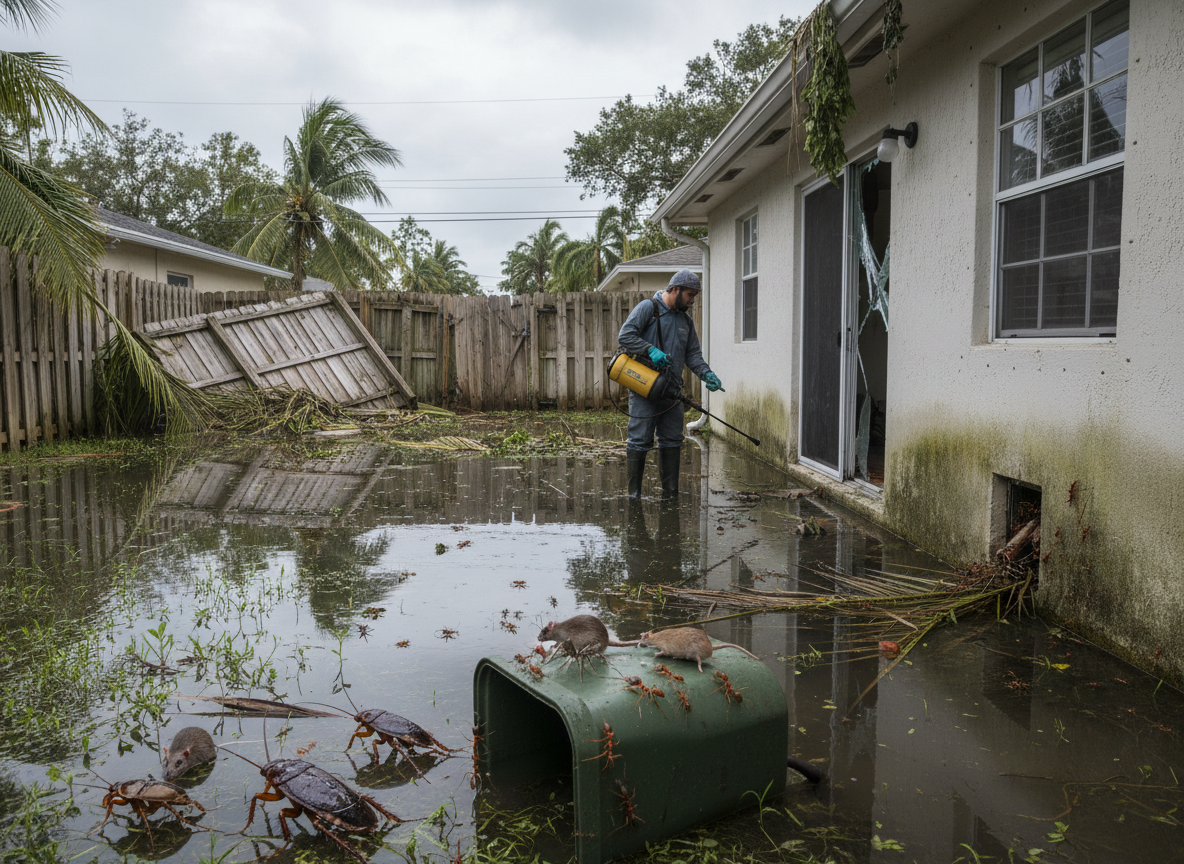
Hurricane season in Miami, characterized by its tropical monsoon climate with hot, wet summers, inevitably leads to a surge in pest activity, particularly after a storm passes. The immediate aftermath of a hurricane or even a severe tropical depression often results in displaced wildlife, flooded nests, and new access points into homes, making post-storm prevention not just important, but essential for residents across Miami-Dade County, from Coconut Grove to Overtown. Pests like cockroaches, rodents, and mosquitoes, which thrive in damp, disturbed environments, will actively seek shelter, food, and breeding grounds in residential properties, turning what might have been a minor issue into a full-blown infestation if not addressed promptly. The average homeowner can expect to see a noticeable increase in these pests within 24-72 hours after floodwaters recede, as they migrate from disrupted outdoor habitats into drier structures. Proactive measures before and reactive strategies after a storm are key to mitigating this predictable influx.
Understanding Post-Storm Pest Behavior in Miami
After a hurricane, the landscape of Miami, including neighborhoods like Brickell and Little Havana, undergoes significant changes that directly impact pest behavior. Heavy rains cause widespread flooding, forcing ground-dwelling pests such as ants and cockroaches to higher ground. This often means finding refuge inside homes, where they can escape saturated soil and standing water. Rodents, including rats and mice, lose their established nests in overturned trees and debris, leading them to seek new, sheltered spaces within attics, walls, and crawl spaces of nearby houses. The disruption of their natural food sources also drives them indoors in search of sustenance. Furthermore, stagnant water left behind by floods creates ideal breeding grounds for mosquitoes, leading to a rapid increase in their populations within days. These changes are not isolated incidents; they are predictable patterns that Miami residents must contend with annually.
The structural damage caused by high winds and water also plays a critical role. Compromised roofs, broken windows, and gaps around foundations become easy entry points for pests that would otherwise struggle to get inside. Even homes that appear outwardly intact may have hidden vulnerabilities. For instance, a small crack in the foundation or a loosened screen can become an open invitation for pests. In a city where many homes, particularly in older areas like Wynwood, might have existing minor structural issues, these problems are exacerbated by storm conditions. Understanding these behavioral shifts and structural vulnerabilities is the first step in effective post-storm pest management, allowing homeowners to anticipate and prepare for the challenges ahead.
Immediate Post-Storm Actions to Secure Your Home
Once the immediate danger of a hurricane has passed and it's safe to return, securing your home against pests should be a top priority. The very first step is to conduct a thorough inspection of your property for damage. Look for broken windows, compromised screens, damaged roofing, and any new cracks or openings in your foundation or exterior walls. Even a small gap, ¼ inch for mice or ⅜ inch for rats, is enough for rodents to squeeze through. Seal these entry points as quickly as possible using caulk, weatherstripping, or temporary board-ups. Pay close attention to areas around utility lines and pipes, as these are common entry points that can be widened by storm forces. Clearing debris from around your home, especially within 5 feet of the foundation, is also crucial. Piles of leaves, branches, and other organic matter provide excellent harborage for many pests.
Beyond structural integrity, focus on moisture control. Remove any standing water from your yard, gutters, and around your foundation. Empty buckets, planters, and anything else that can collect rainwater. For persistent puddles, consider ways to improve drainage or contact a professional if the issue is significant. Inside your home, address any leaks promptly. Use dehumidifiers in damp areas like basements or garages, especially if they experienced flooding. The goal is to eliminate any sources of moisture that attract pests like cockroaches and mosquitoes. For more in-depth guidance on preventing pests from entering your home, refer to our page on Pest Infestation or our general advice on Pests in House. These immediate actions lay the groundwork for a pest-free recovery.
Addressing Water-Related Pest Issues
Miami's tropical monsoon climate means heavy rainfall is a given, especially during hurricane season. This leads to significant water accumulation, which is a magnet for specific pest problems. Mosquitoes are perhaps the most notorious, as they require standing water to complete their life cycle. Even a bottle cap full of water can host hundreds of mosquito larvae. After a storm, the sheer volume of temporary water sources – from overflowing gutters to debris-filled yards – creates an explosion in mosquito populations. To combat this, regularly empty and clean anything that can hold water, including bird baths, pet dishes, and clogged gutters. For larger areas of standing water that cannot be drained, consider using larvicides, often found as "mosquito dunks," which are safe for most environments and target mosquito larvae.
Beyond mosquitoes, excessive moisture attracts other pests. Cockroaches, particularly the American and Florida woods roaches common in Miami, thrive in damp, humid conditions. Flooding drives them out of sewers and storm drains into homes. Look for them in bathrooms, kitchens, and laundry rooms, especially in older homes found in areas like Coral Gables or the Design District, where plumbing might be more susceptible to leaks. Similarly, ants, including the aggressive fire ants, will seek high ground during floods, often forming rafts or moving into structures. They can be found trailing along walls, seeking food and drier nesting sites. Addressing moisture issues directly impacts the prevalence of these pests, making it a cornerstone of post-storm prevention. For more on dealing with these specific invaders, our Cockroach Control and Ant Control pages offer valuable insights.
Long-Term Prevention and Professional Assistance
While immediate actions are crucial, long-term pest prevention strategies are essential for Miami residents, especially given the recurring nature of hurricane season. Regularly inspect your home for any new cracks or openings, particularly after severe weather events. Maintain your landscaping by trimming trees and shrubs away from your home's foundation and roof, reducing potential bridges for pests. Ensure proper drainage around your property to prevent water from pooling. Consider installing gutter guards to keep debris out and ensure water flows freely away from your home. The older housing stock in areas like Downtown Miami and Coconut Grove often requires more diligent maintenance to prevent pest entry.